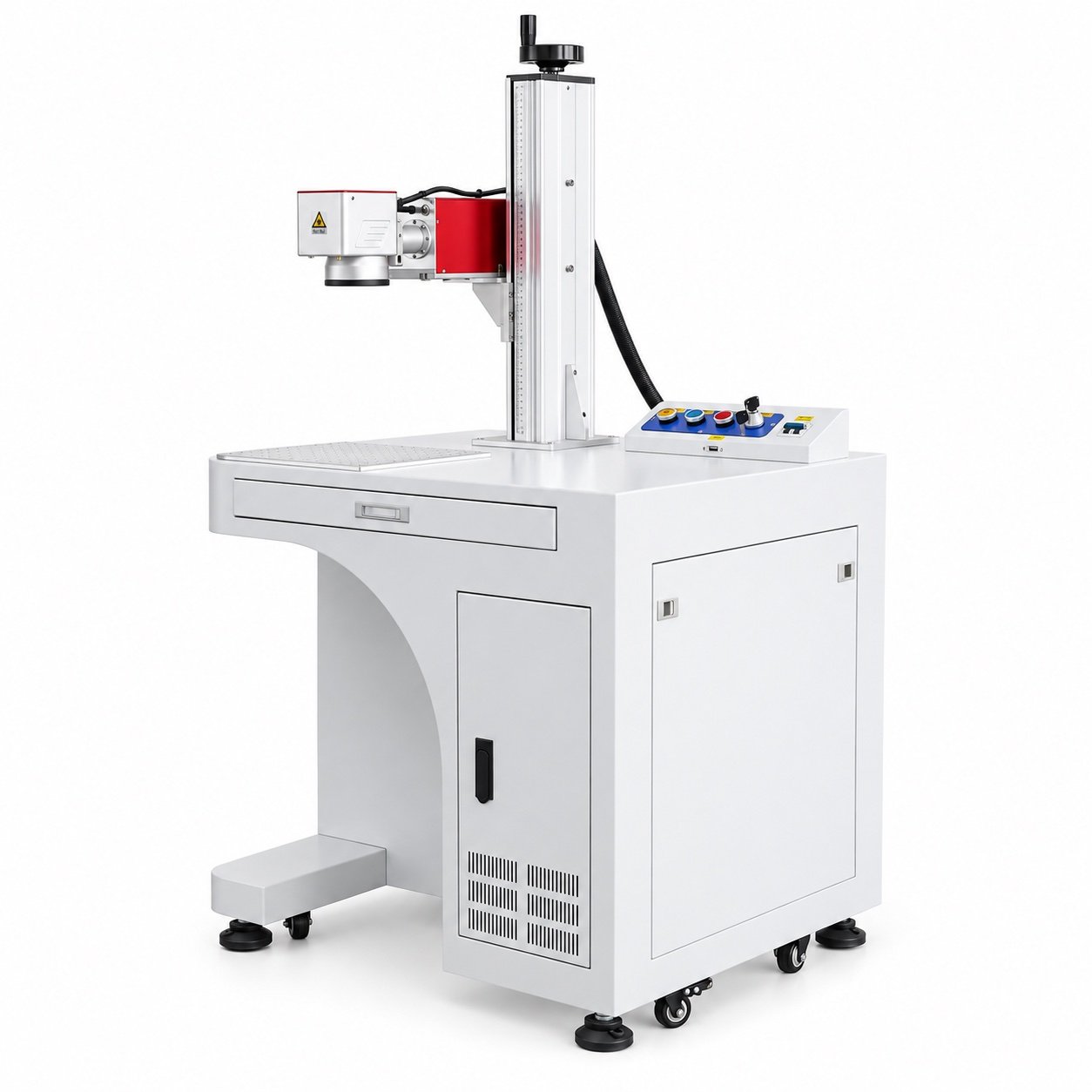
Laser Marking Machines
Fiber, MOPA, CO2 and UV systems for identifiers, text, graphics and material-specific surface marking.
Explore FYXFER laser marking systems, CNC laser and plasma / oxy-fuel cutters, and handheld laser welding machines. Match the process and configuration to your material, workpiece and production job.
Start with the material, required result and workpiece size. Compare the relevant process before selecting a model or power.
Fiber, MOPA, CO2 and UV systems for identifiers, text, graphics and material-specific surface marking.
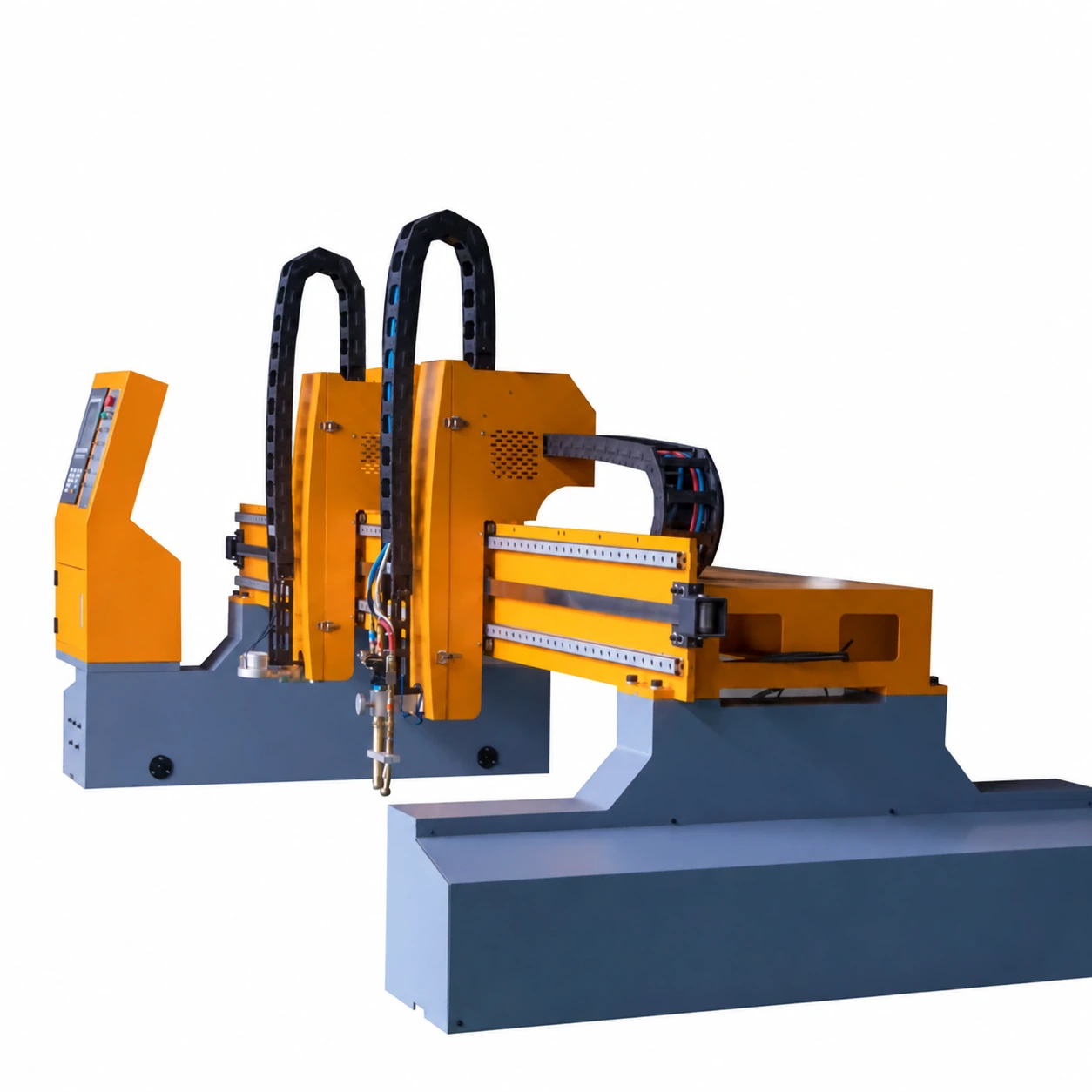
Compare laser, plasma / oxy-fuel and waterjet cutting, then review the machine layout and configuration for the material and production job.
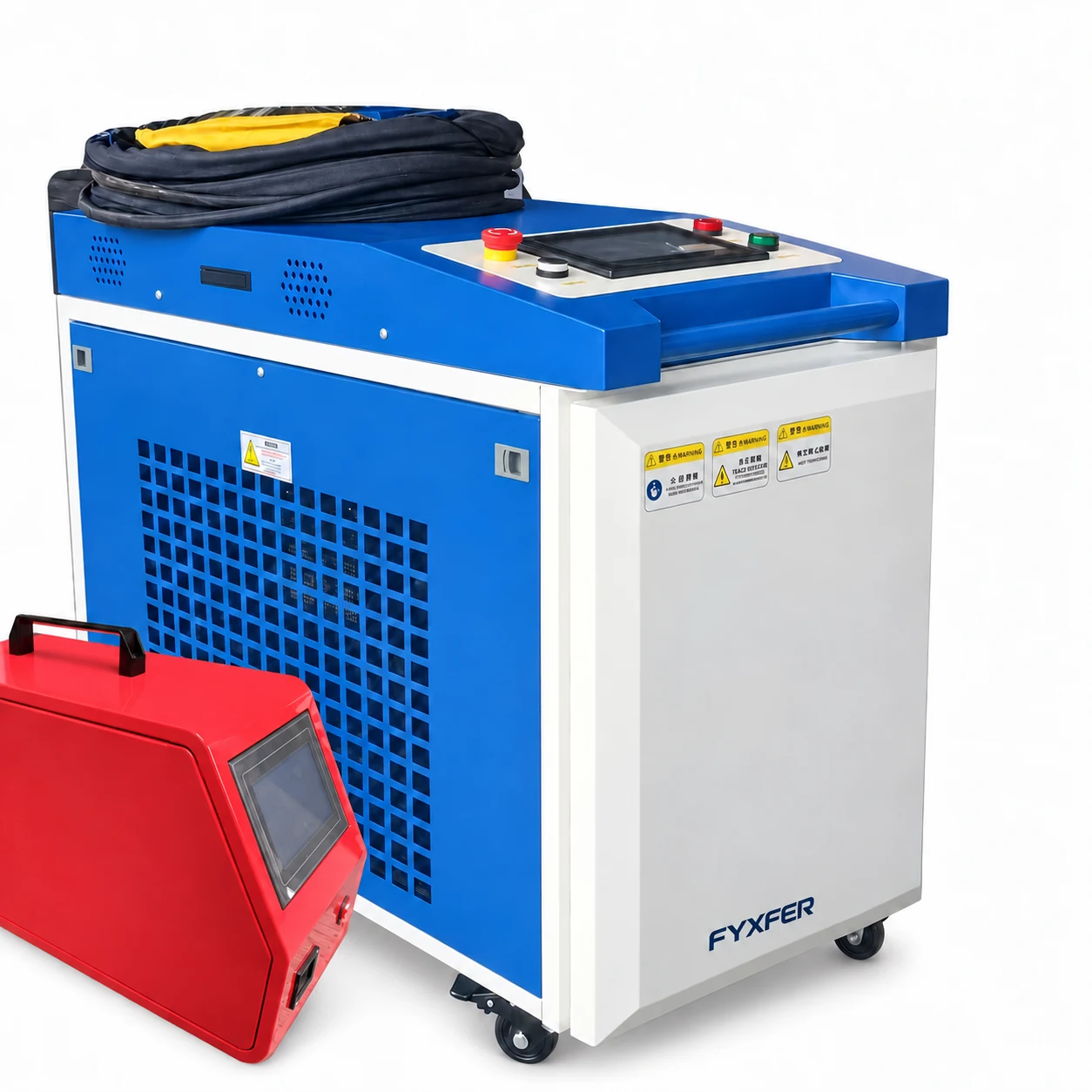
Explore FY-WCC01 for handheld welding, cleaning and cutting. Confirm the configuration against your material, joint and workshop requirements.
Start with the production method, then match the laser source, power, lens, fixtures, extraction, and software.
Compact systems for workbench marking, sample rooms, and flexible low-volume jobs.
Stable enclosed or open workstations for repeatable industrial operation.
Bring the marking head to large, heavy, or difficult-to-fixture parts.
Integrate marking, code transfer, sensing, and verification into production.
Each model is a starting platform. Final laser source, power, field size, enclosure, rotary axis, and automation are selected after application review.
Stable open workstation for repeatable industrial marking.
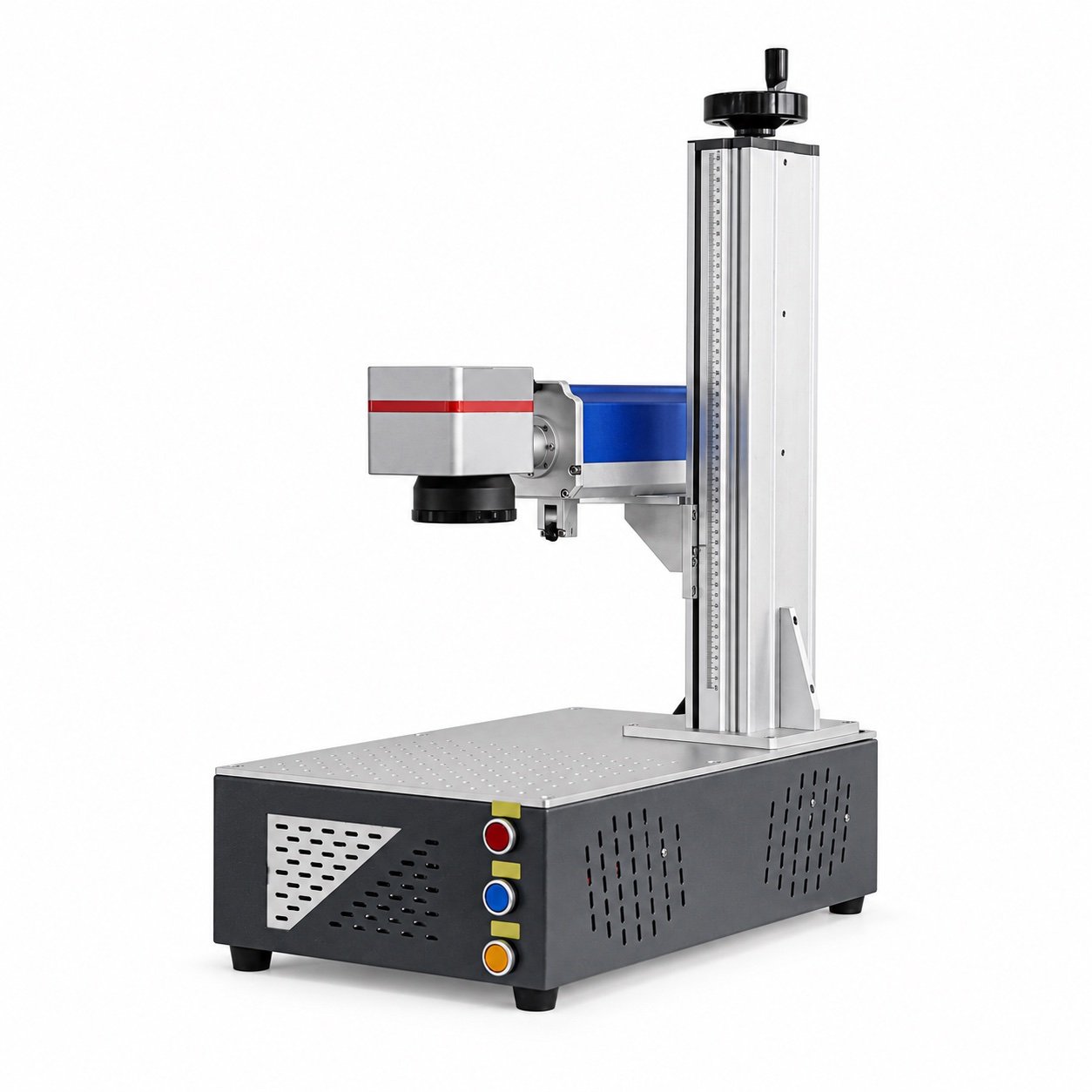
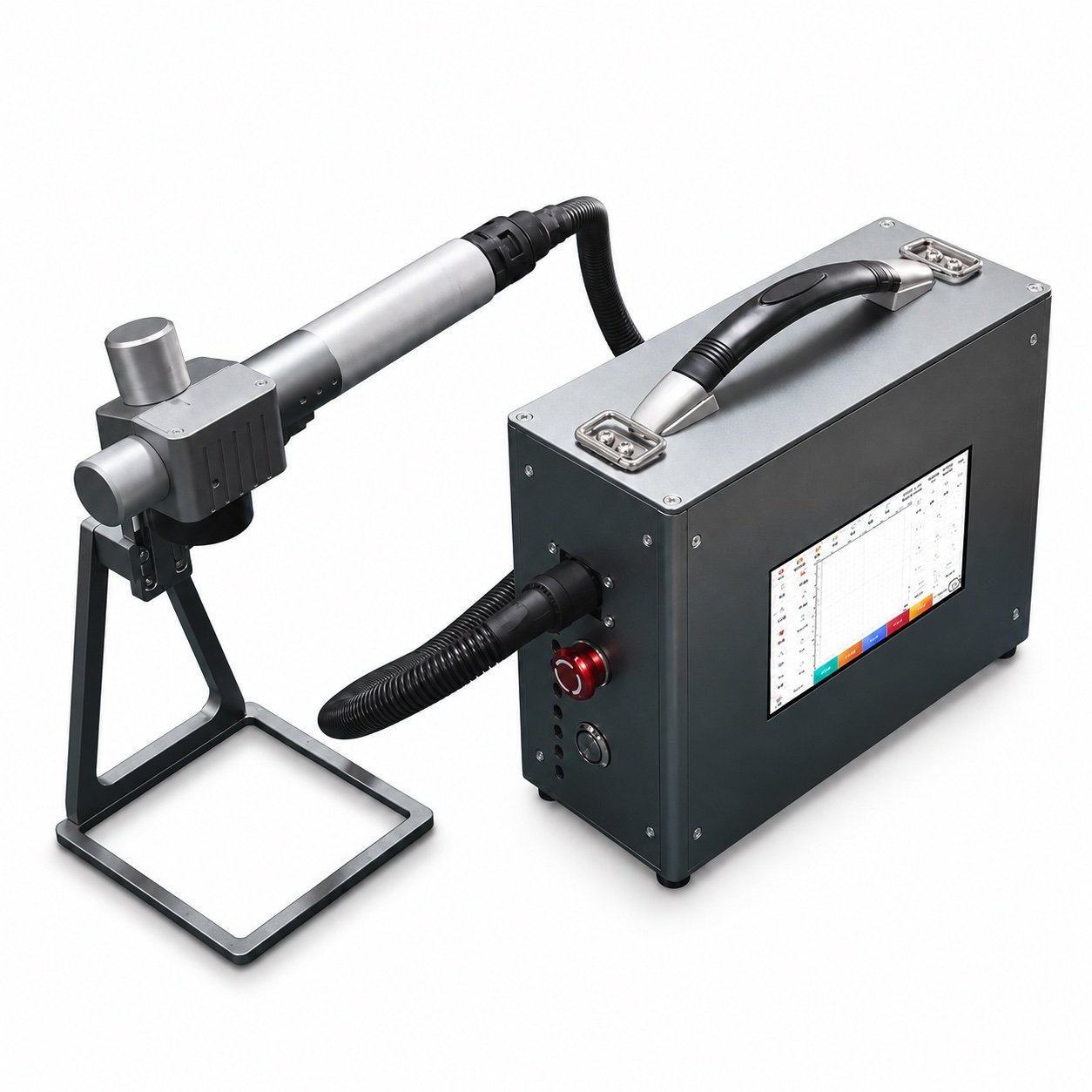
Compact integrated system for flexible bench-top work.
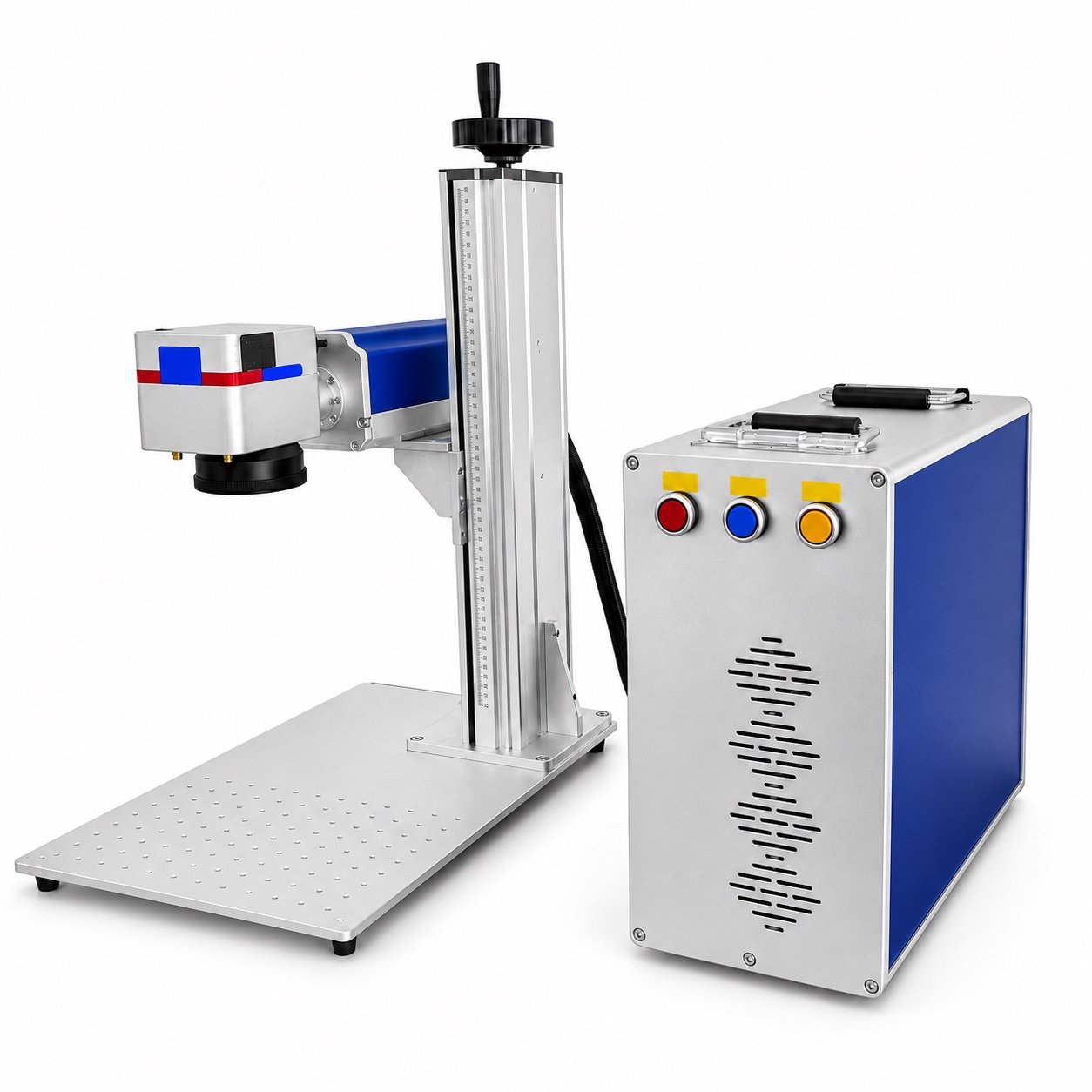
Separate marking stand and control cabinet for a flexible desktop layout.
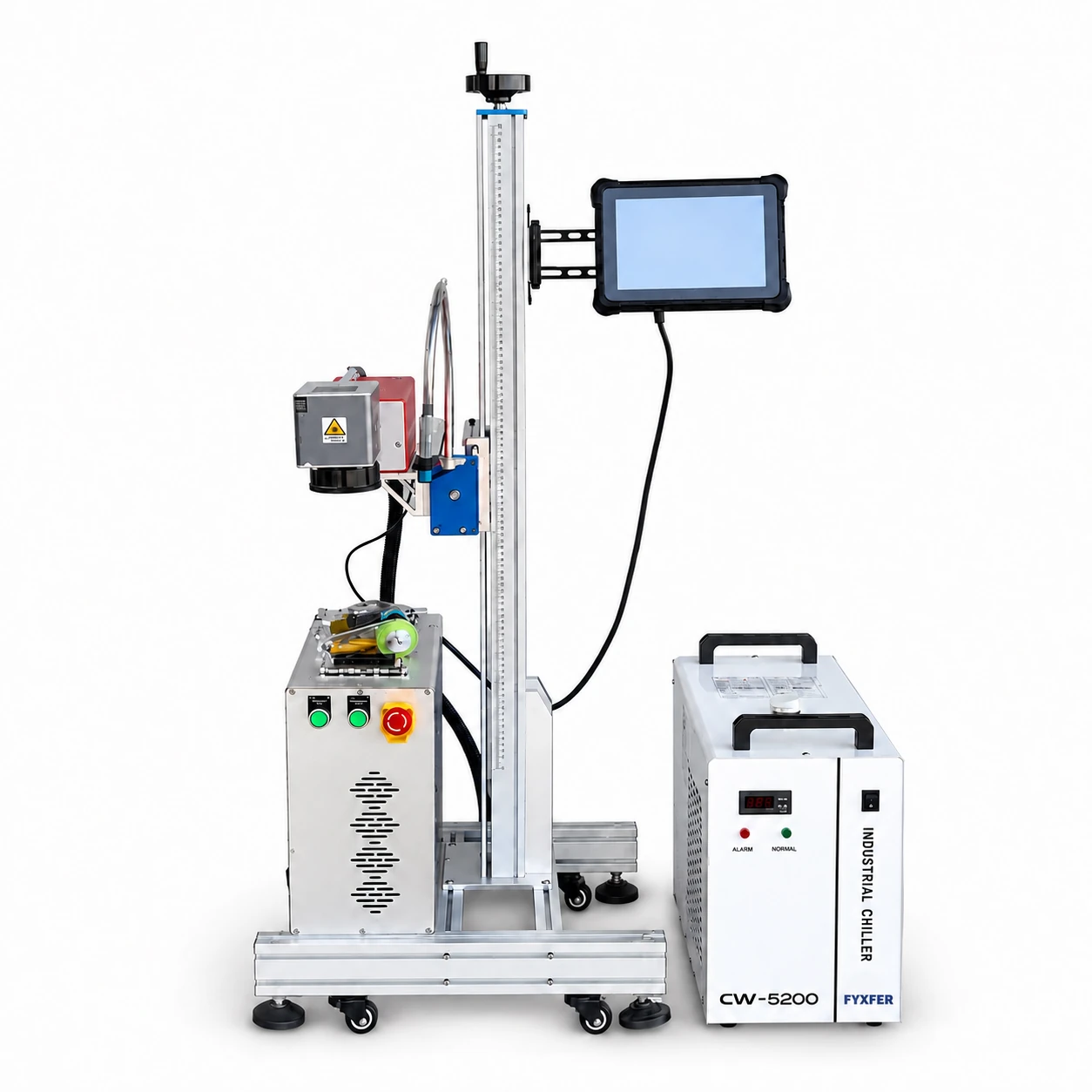
Continuous marking configured around the production line.
A good result comes from matching wavelength and pulse behavior to the substrate—not simply choosing the highest wattage.
Fast, durable marking on many metals and selected plastics.
Greater pulse control for color, contrast, and heat-sensitive work.
Efficient engraving and marking on wood, acrylic, paper, leather, and coatings.
Fine, low-heat marks on sensitive plastics, glass, and electronics.
We reduce specification risk by starting with the actual part and the result you need.
Material, finish, content, contrast, depth, cycle time, and traceability data.
Select a likely laser technology and review sample-marking results where needed.
Machine form, power, lens, fixtures, extraction, rotary axis, software, and safety.
Confirm operating requirements, installation, training, and support scope.
Browse marking application guides and printable cutting configuration sheets.
Tell us the material, mark, part size, output, and current process. We will use those details to narrow the configuration.
Compare fiber laser cutting formats for sheet metal and industrial fabrication.
Laser Cutting Machines